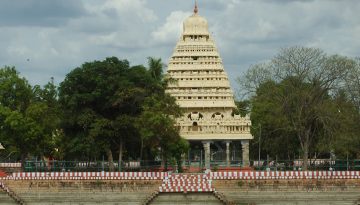
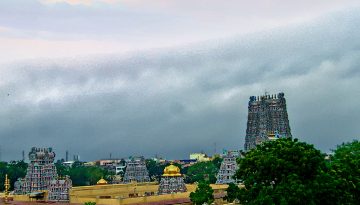
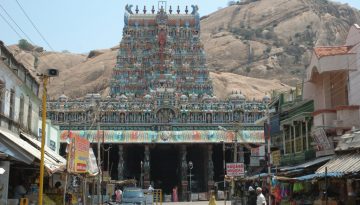
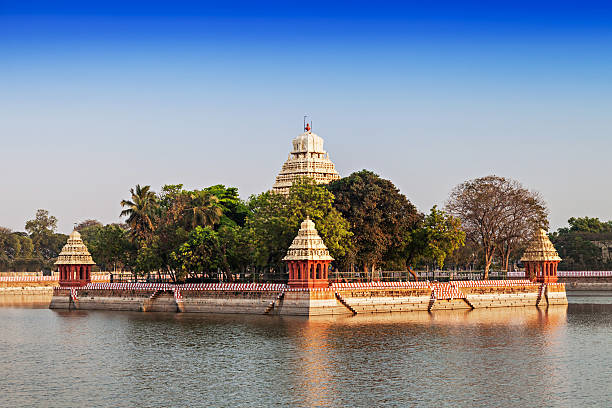
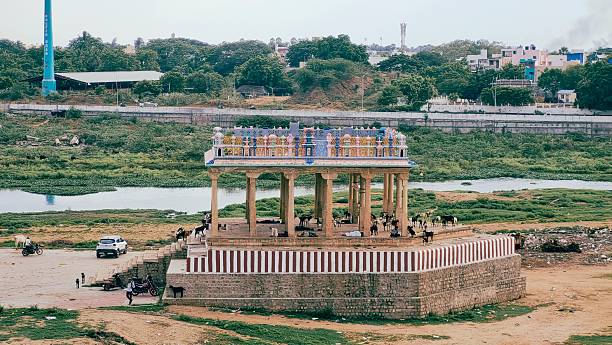
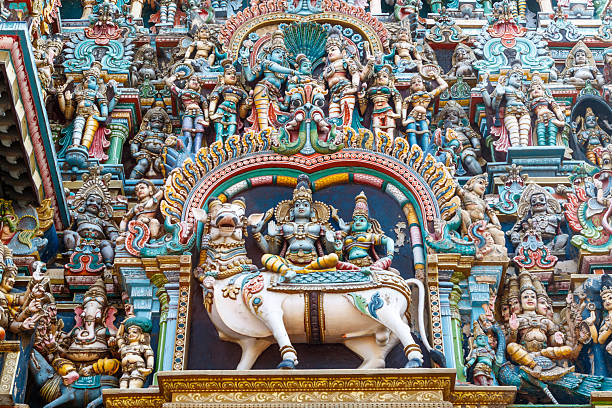
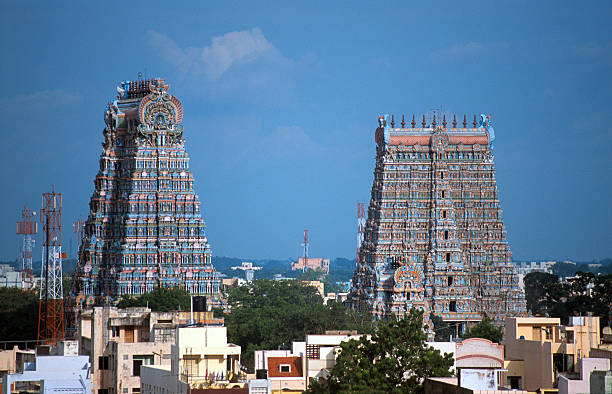
It is narrated in legend that Madurai was originally a forest known as Kadambavanam. One day, a farmer named Dhananjaya who was passing through the forest, saw Indra (The king of the gods), worshipping a swayambhu (self created Lingam ) under kadamba tree. Dhananjaya, the farmer immediately reported this to King Kulasekara Pandya. Kulasekara Pandya cleared the forest and built a temple around the Lingam. A city was soon planned with the temple as its centre. On the day the city was to be named, Lord Shiva is said to have appeared and drops of nectar from his hair fell on the town. So, the place was named Madurai – mathuram meaning “sweetness” in Tamil.
Madurai has a rich historical background in the sense that Lord Shiva himself performed sixty-four wonders called “Thiruvilaiyadals”.
As early as the 3rd century BC, Megasthanes visited Madurai. Later many people from Rome and Greece visited Madurai and established trade with the Pandya kings. Madurai flourished till 10th century AD when it was captured by Cholas the arch rivals of the Pandyas.
The Cholas ruled Madurai from 920 AD till the beginning of the 13th century. In 1223 AD Pandyas regained their kingdom and once again become prosperous. Pandian Kings patronised Tamil language in a great way. During their period, many master-pieces were created. “Silapathikaram”, the great epic in Tamil was written based on the story of Kannagi who burnt Madurai as a result of the injustice caused to her husband Kovalan. In April 1311, Malik Kafur, the general of Alauddin Khilji who was then the ruler of Delhi, reached Madurai and raided and robbed the city for precious stones, jewels, and other rare treasures. This led to the subsequent raids by other Muslim Sultans. In 1323, the Pandya kingdom including Madurai became a province of the Delhi empire, under the Tughlaks.
The 1371, the Vijayanagar dynasty of Hampi captured Madurai and Madurai became part of the Vijayanagar empire. Kings of this dynasty were in habit of leaving the captured land to governors called Nayaks. This was done for the efficient management of their empire. The Nayaks paid fixed amount annually to the Vijayanagar empire. After the death of Krishna Deva Raya (King of Vijayanagar empire) in 1530 AD, the Nayaks became independent and ruled the territories under their control.
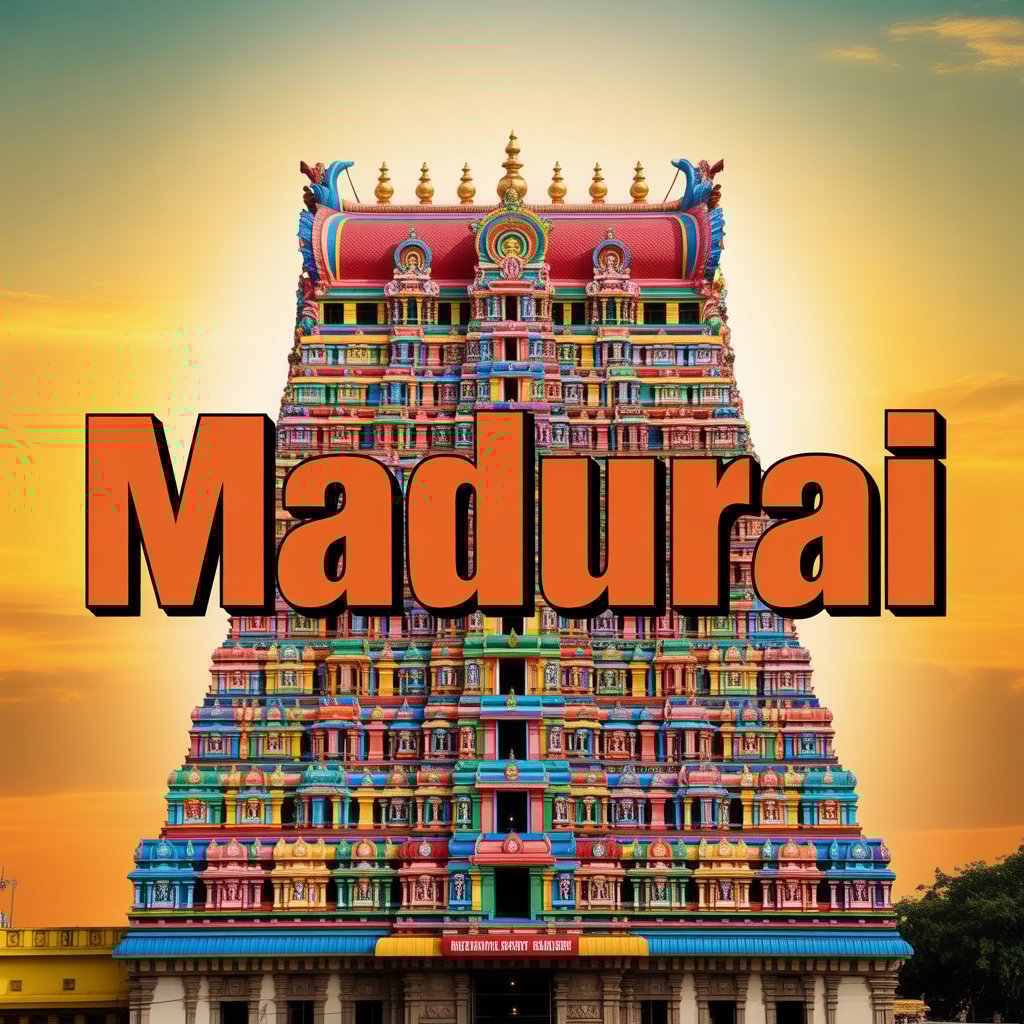
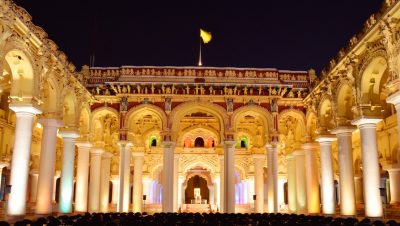
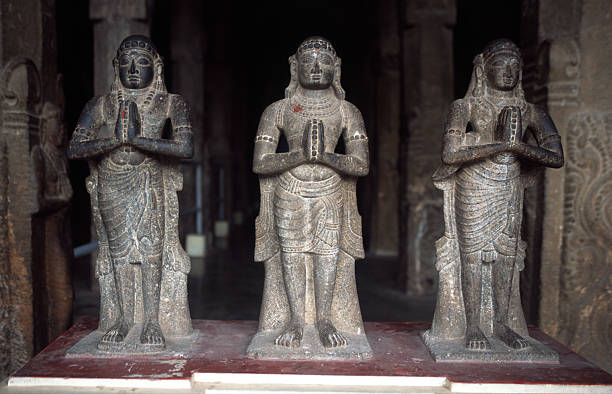
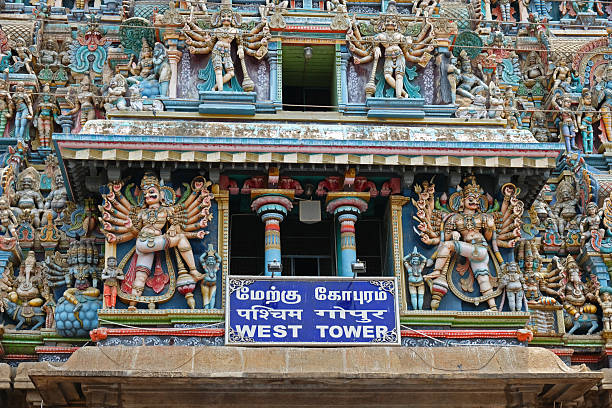
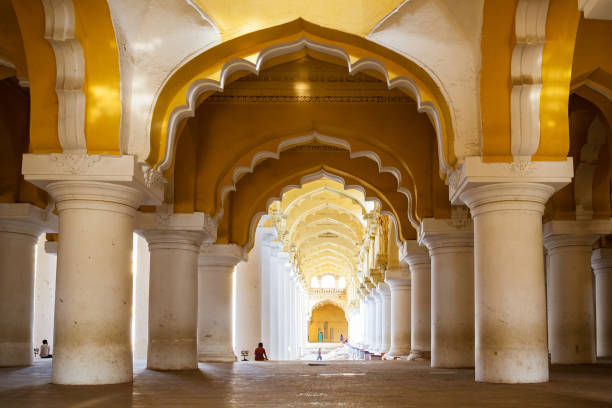
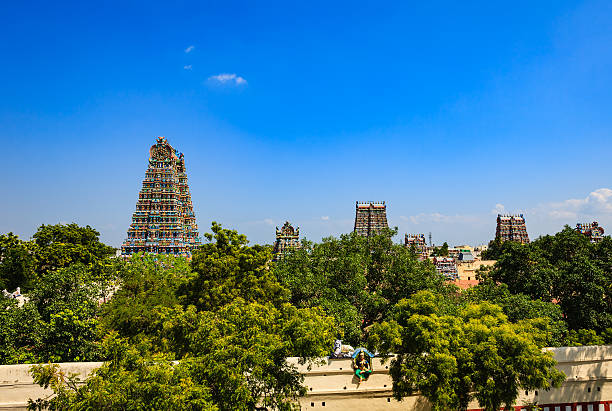
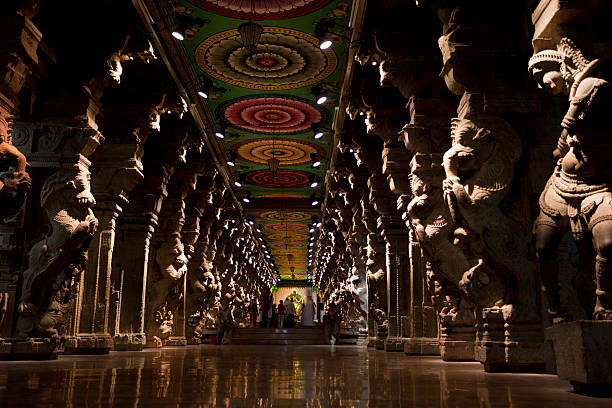
Among Nayaks, Thirumalai Nayak (1623-1659) was very popular, even now he is popular among people, since, it was he who contributed to the creation of many magnificent structures in and around Madurai and expanded the city. Thirumalai Nayak, built Nayak Palace in 1636 with the help of an Italian Architect. The Raja Gopuram of the Meenakshi Amman Temple, The Pudu Mandapam and The Thirumalai Nayakar’s Palace are living monuments to his artistic fervor.
Nayaks ruled over Madurai and became weak after the death of Tirumalai Nayak. Then Queen Mangamma, a brave lady ruled Madurai for 17 years. Few years later Madurai rulers tried to rule Madurai and they were ineffective because British and French people laid their foot strongly in the region. Madurai started slipping into the hands of the British’s East India Company. In 1781, the British rulers appointed their representatives to look after Madurai.George Procter was the first collector of Madurai.
Now after India’s independence, Madurai is one of the major districts of Tamilnadu State. In 1984, the Vast Madurai district was bifurcated into two districts namely Madurai and Dindugul Districts. Subsequently in 1997, Madurai district was bifurcated into two districts namely Madurai and Theni Districts. In Madurai District, there are 10 State Assembly constituencies and two parliament constituencies.
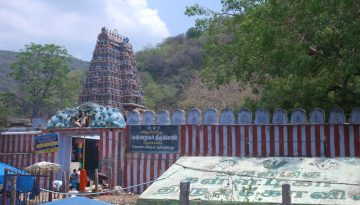
Madurai is surrounded by several mountains. The Madurai city has 3 hills as its city boundary. Yanaimalai, Nagamalai, Pasumalai named after Elephant, Snake and Cow respectively. It is famous for Jasmine Flowers. Jasmine flowers are transported to other cities of India from Madurai.